CLIENT: The Hutchins School
LOCATION: Sandy Bay, Tasmania
YEAR: 2026
CONTRACTOR: Fairbrother
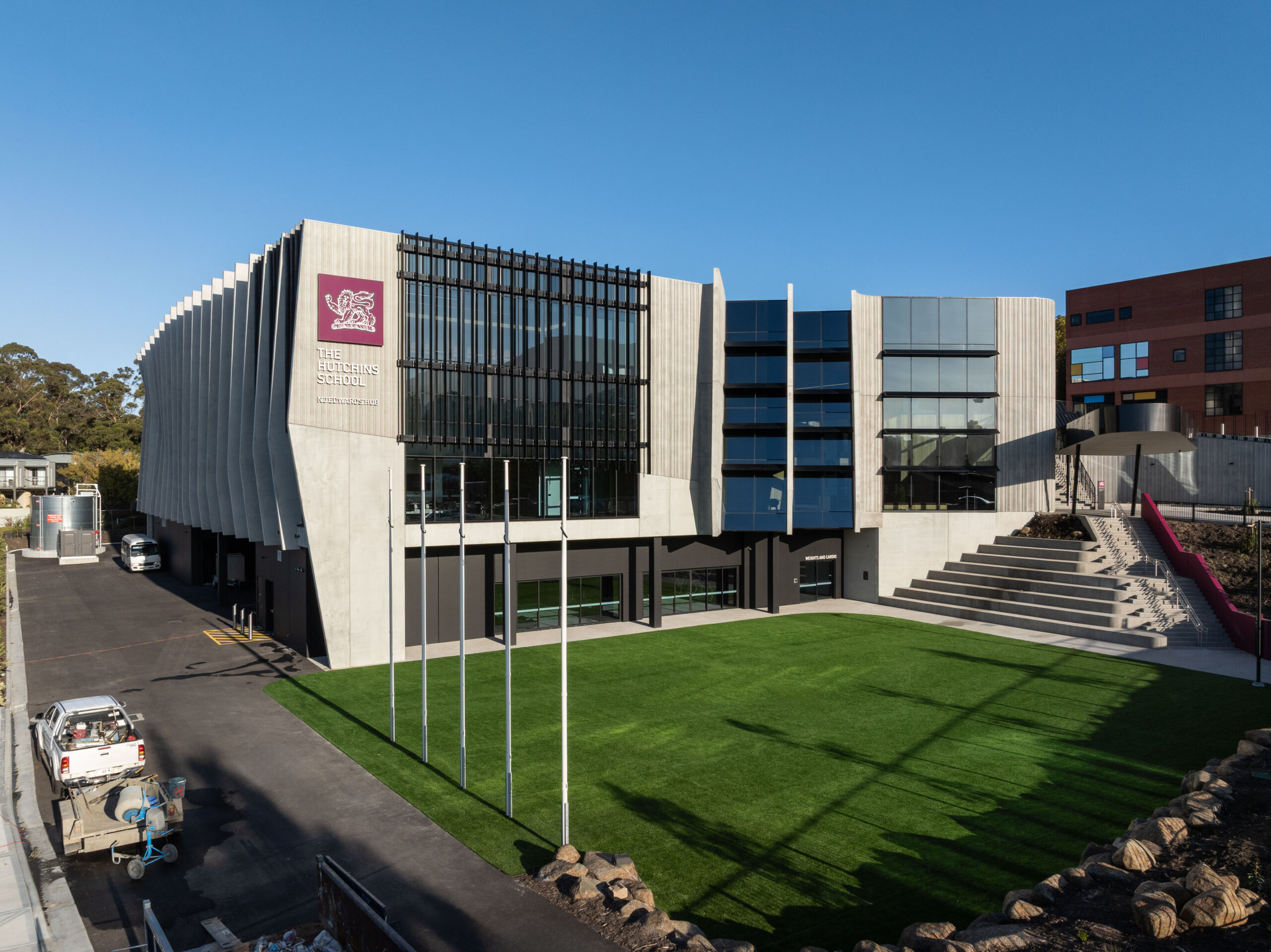
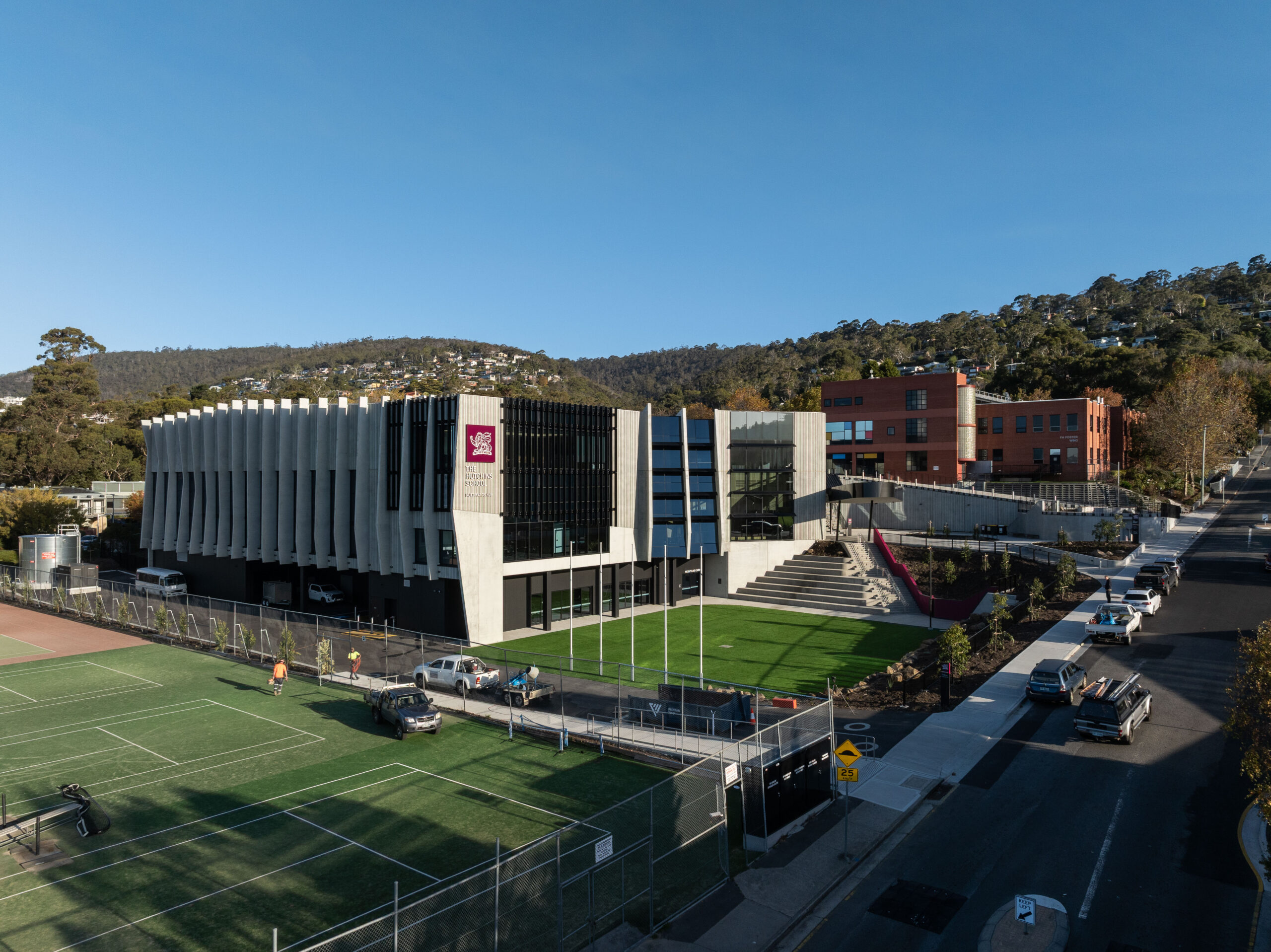
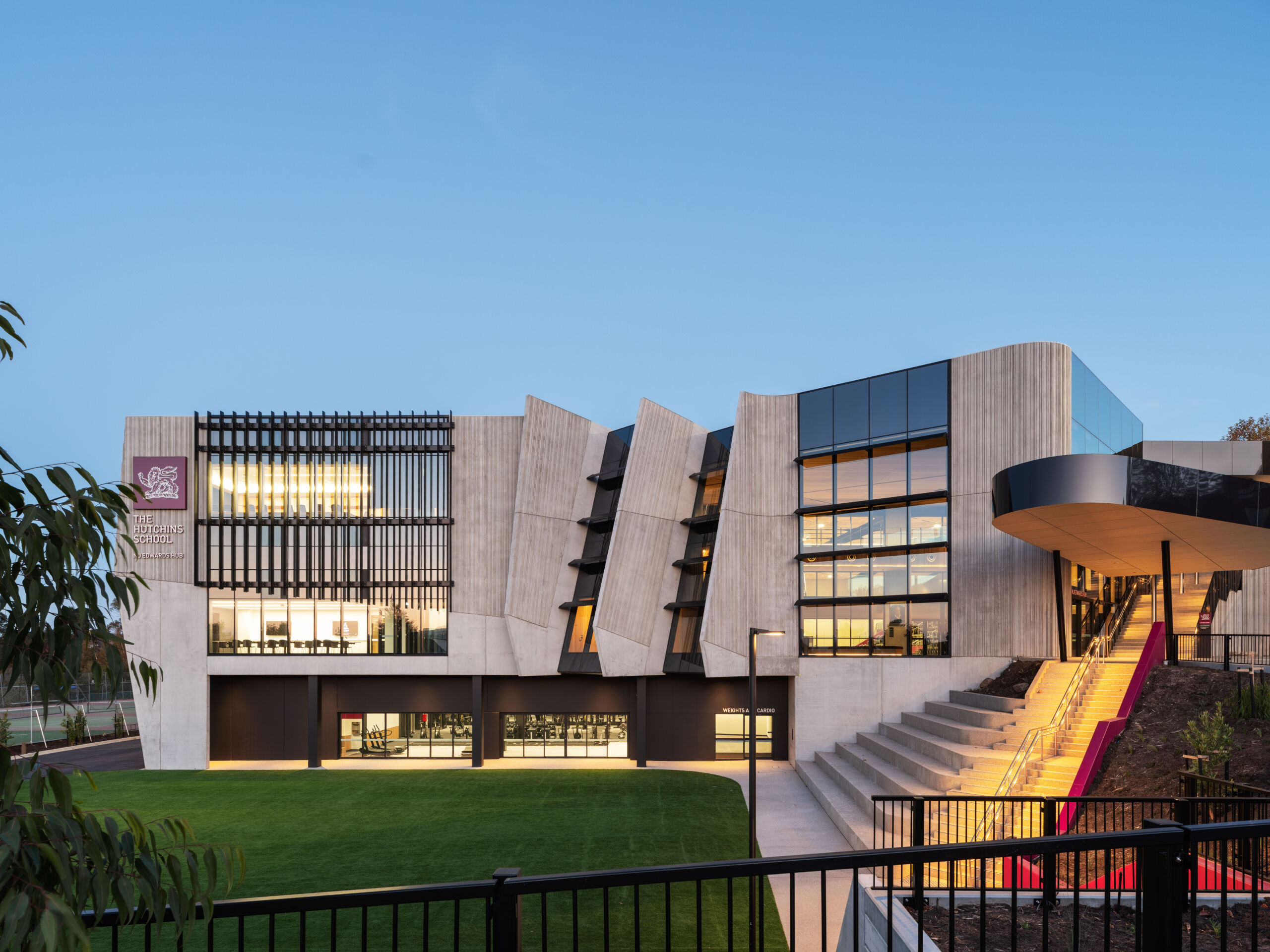
The N J Edwards Hub at The Hutchins School is one of Tasmania’s most significant education and commercial construction projects, creating a landmark facility that brings together learning, sport, wellbeing, and community engagement within a single contemporary building. Located in Sandy Bay near Hobart, the Hub officially opened in early 2026 and represents the largest capital development in the Hutchins school’s 180-year history.
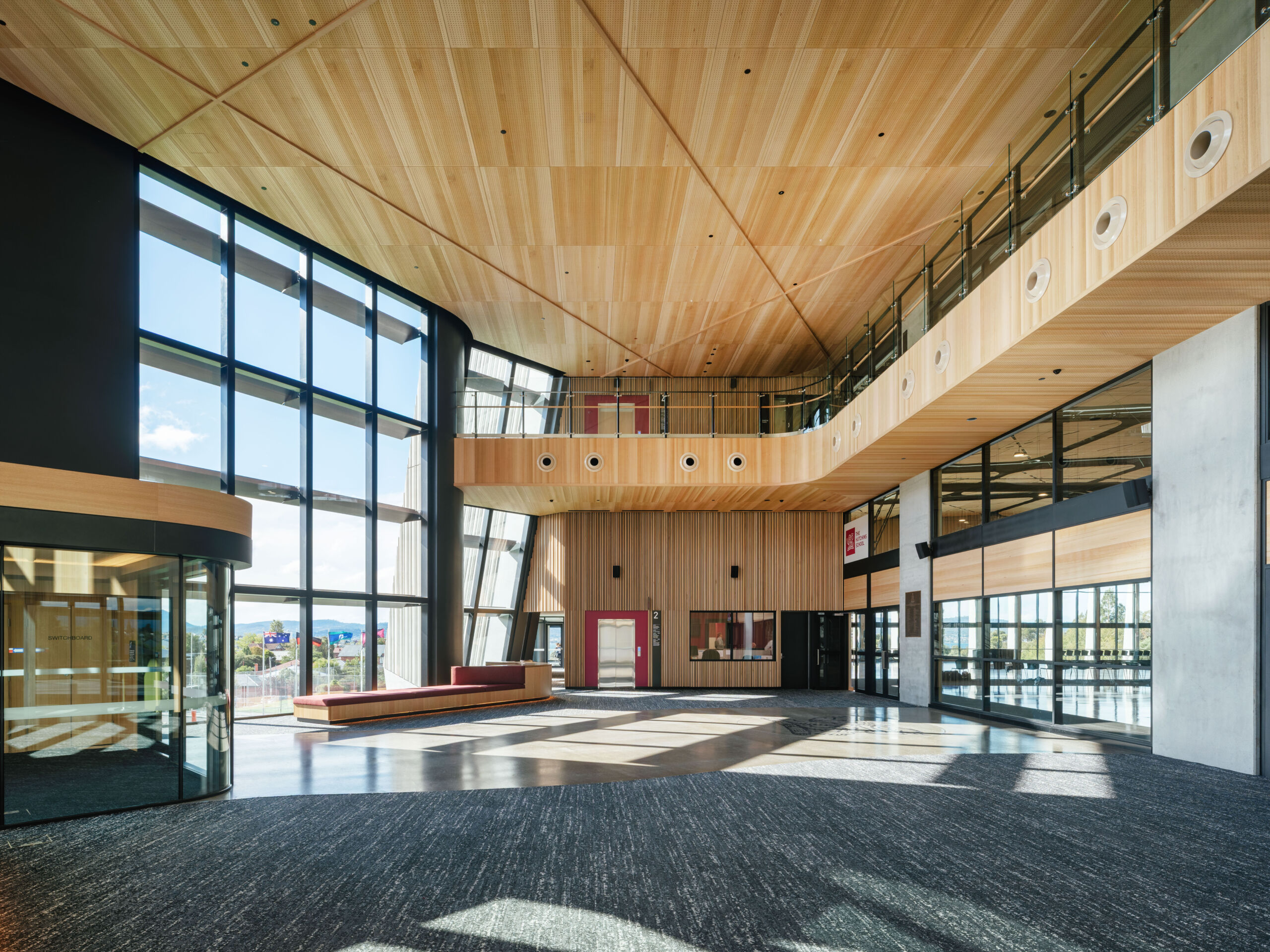
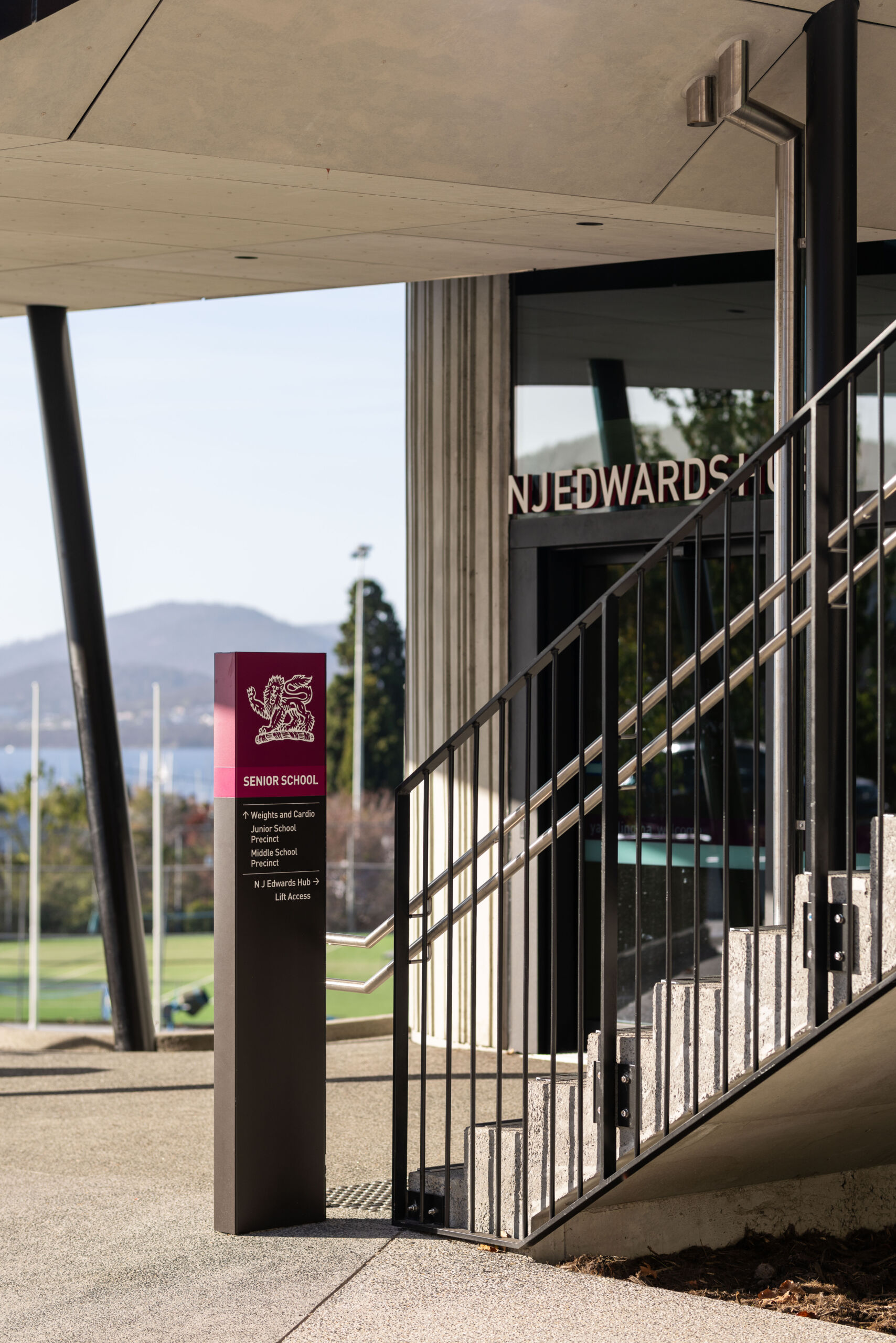
The N J Edwards Hub connects the junior, middle, and senior schools, creating a vibrant destination where students, staff, alumni, and the wider community can come together. Named in honour of former student, philanthropist, and benefactor Neale John Edwards, the project was made possible through the school’s successful “Make Your Mark” fundraising campaign, which raised more than $22 million towards its delivery.
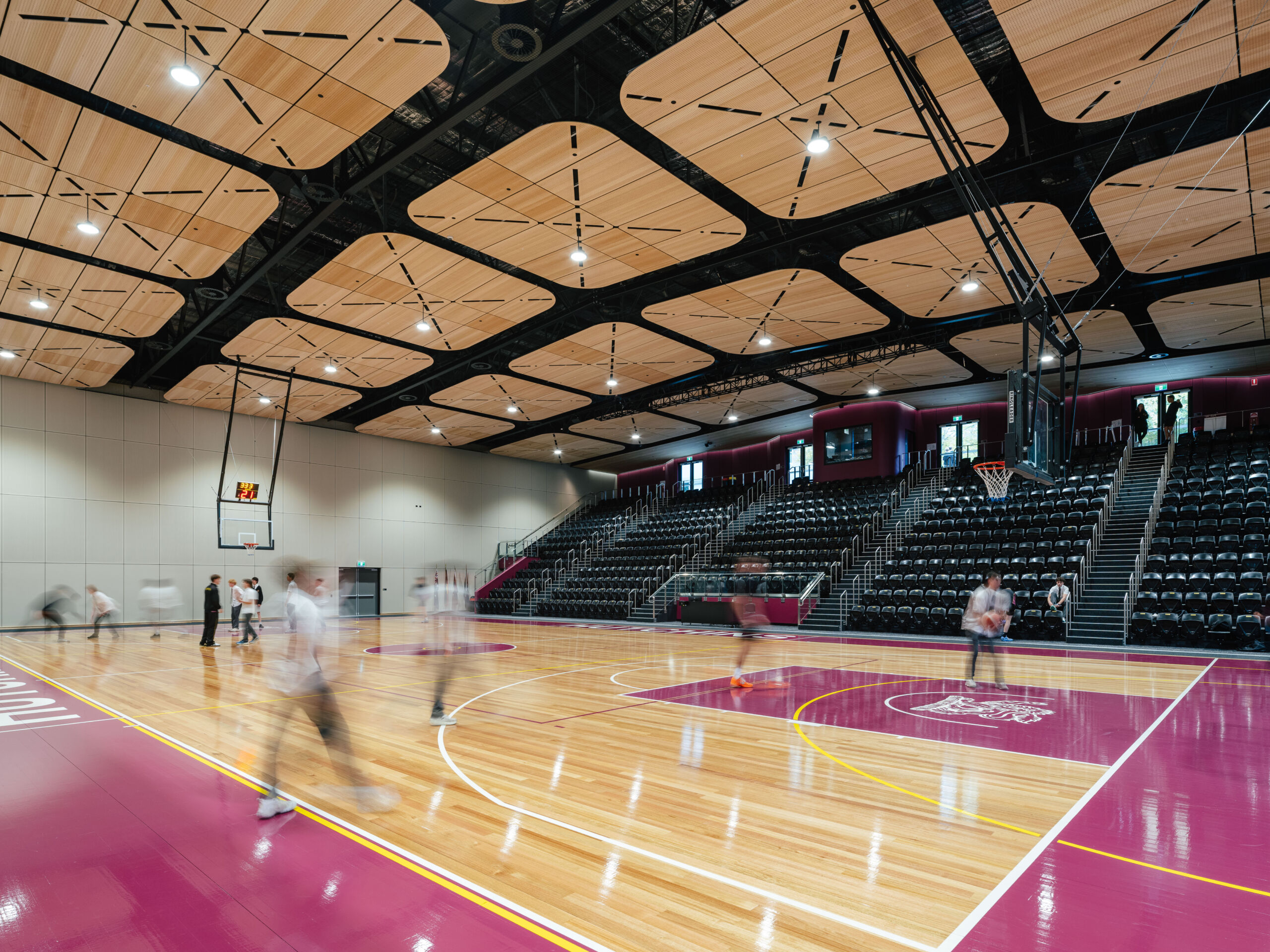
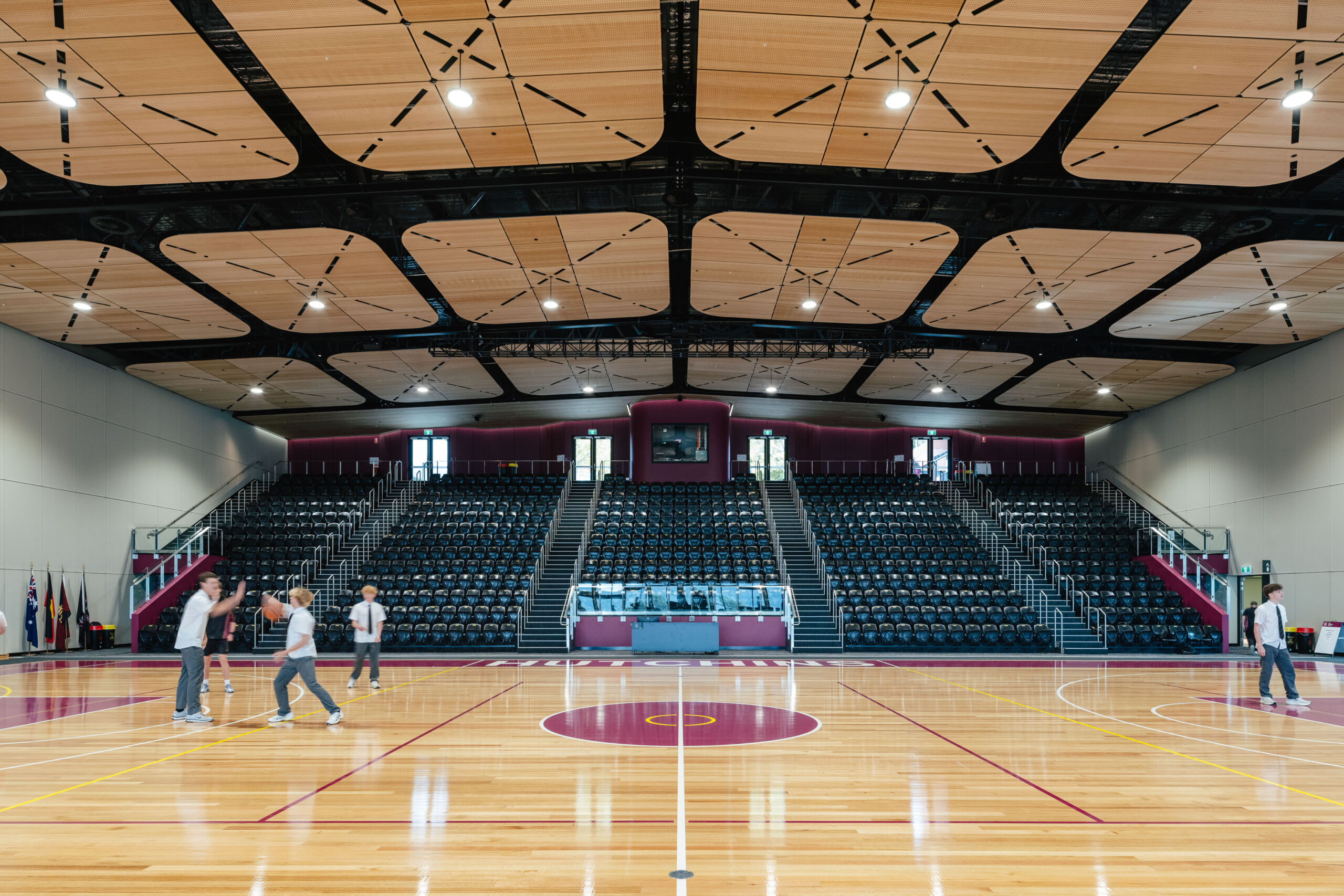
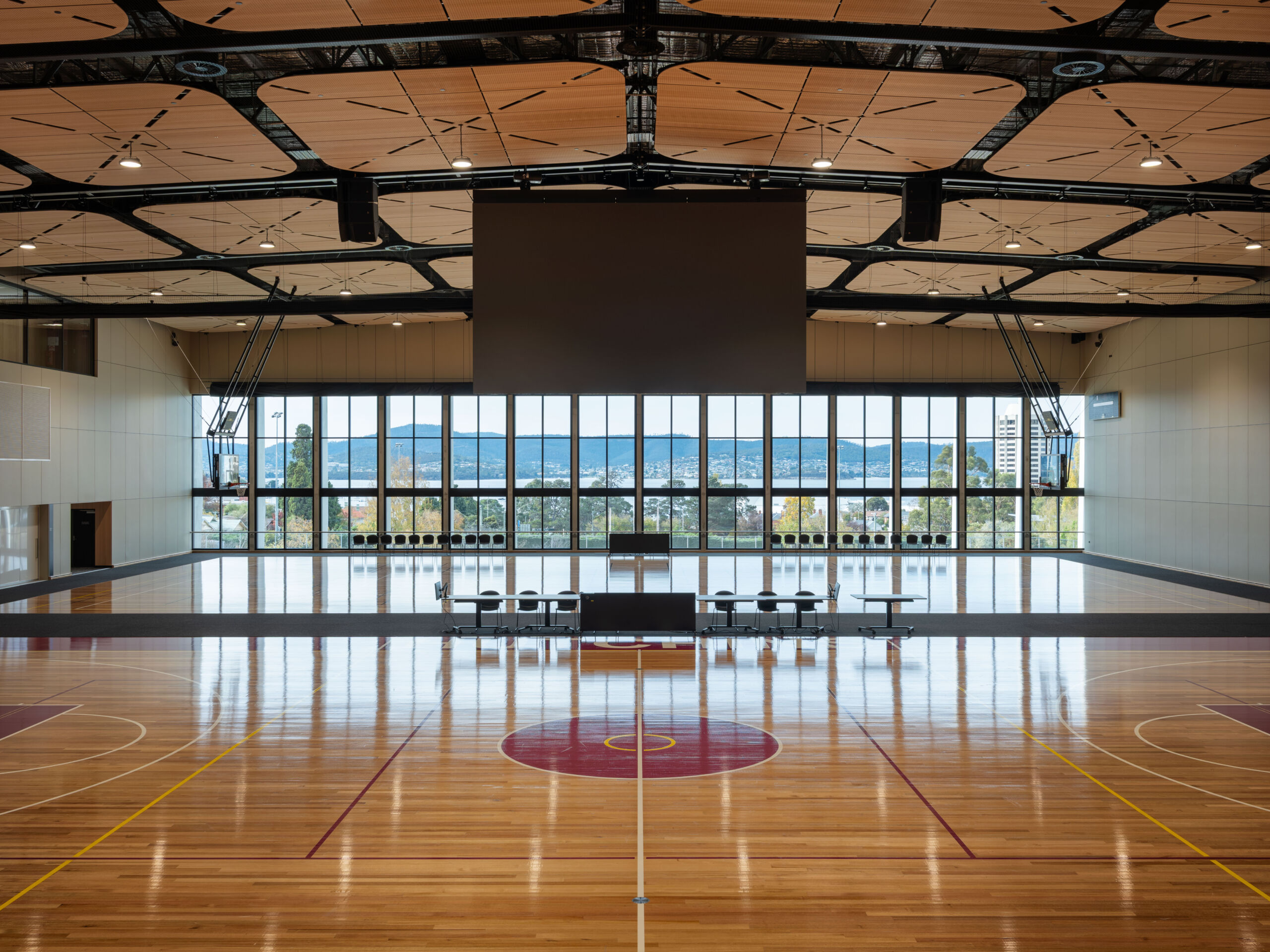
More than a traditional school hall, the Hub is a highly flexible, multi-purpose education and sports facility designed to support a wide range of academic, recreational, cultural, and community activities. The building accommodates whole-school assemblies and ceremonial events for up to 1,400 people while incorporating FIBA Level 1 basketball courts, national competition-standard netball courts, and facilities for volleyball, futsal, badminton, and pickleball.
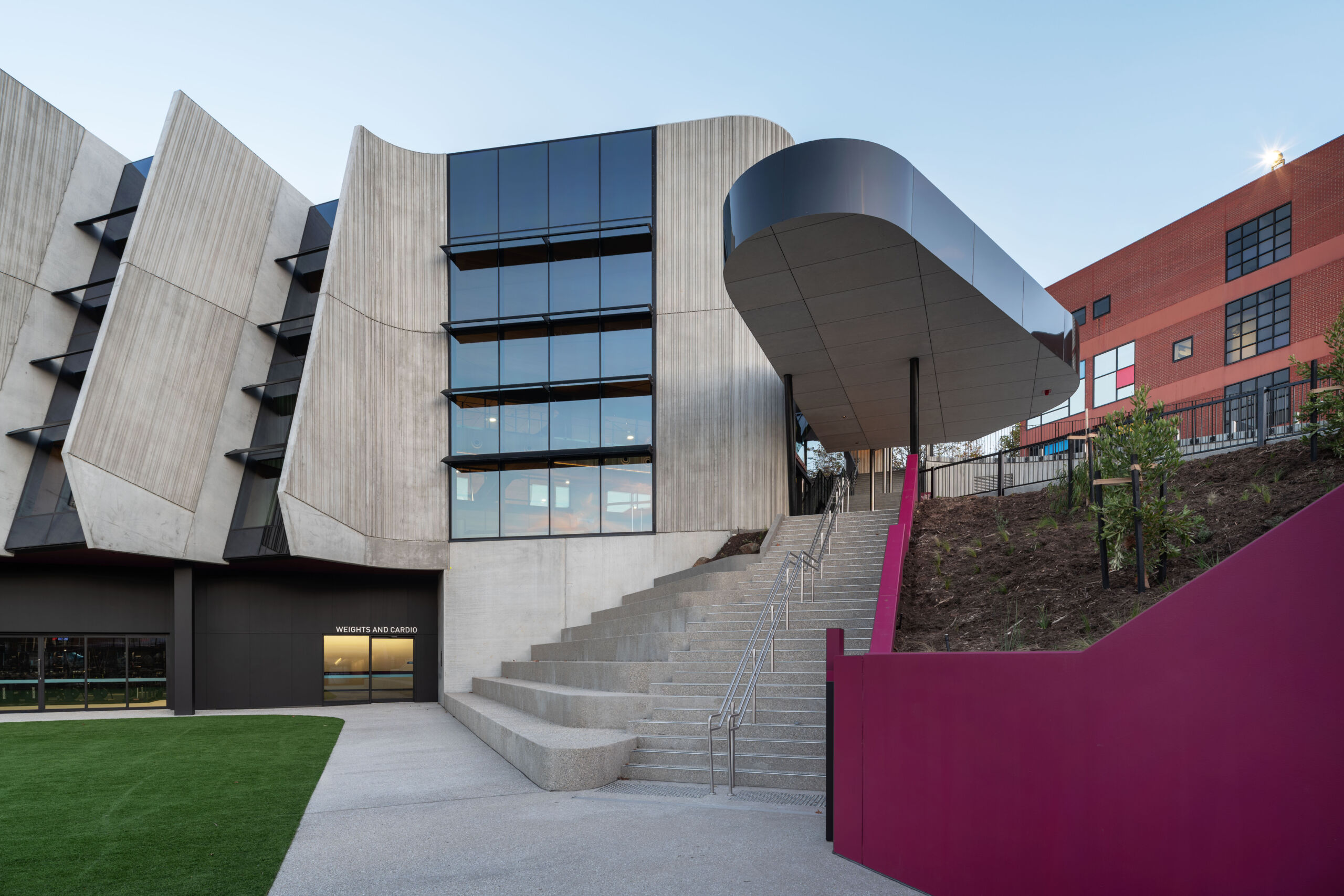
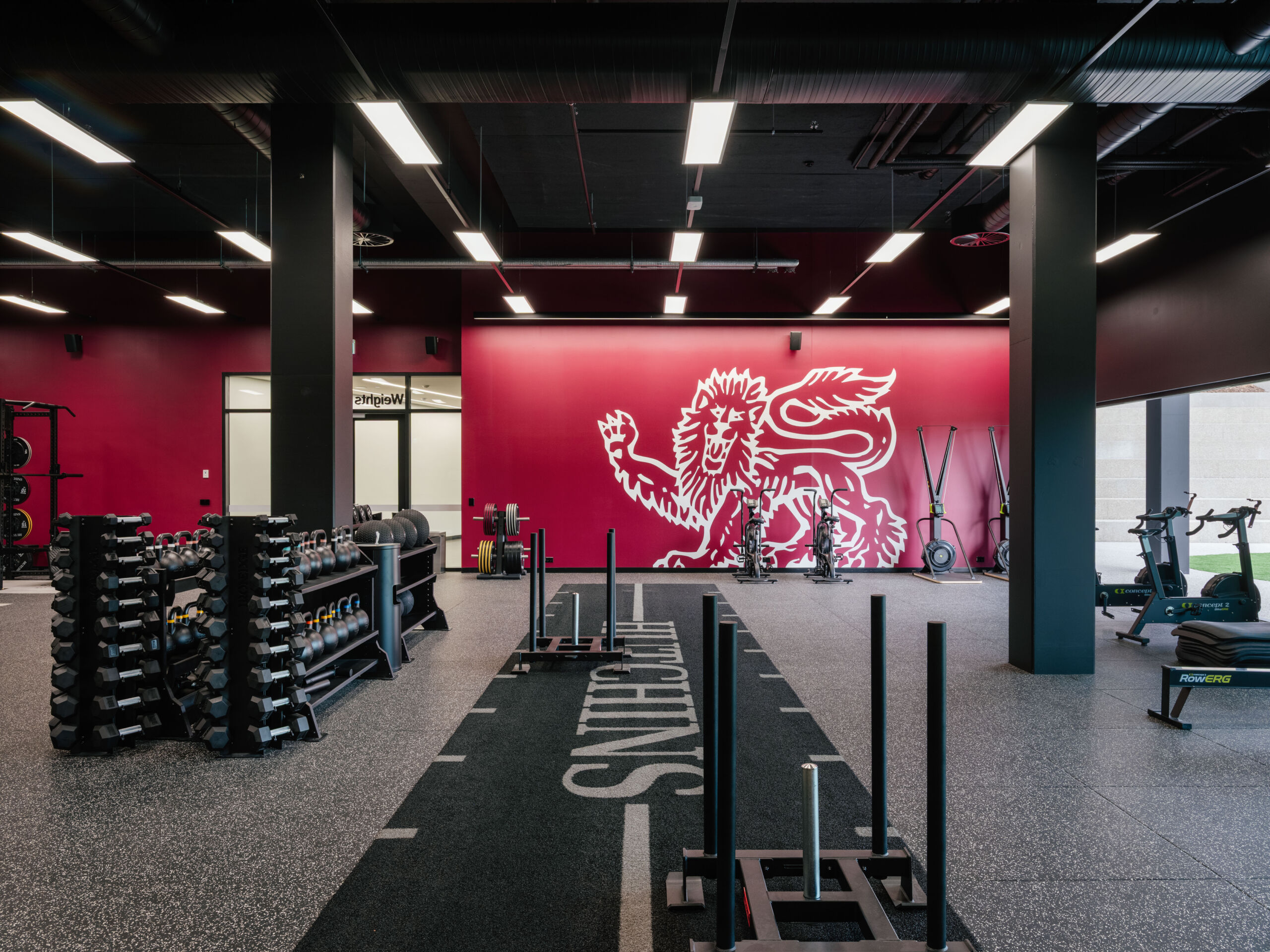
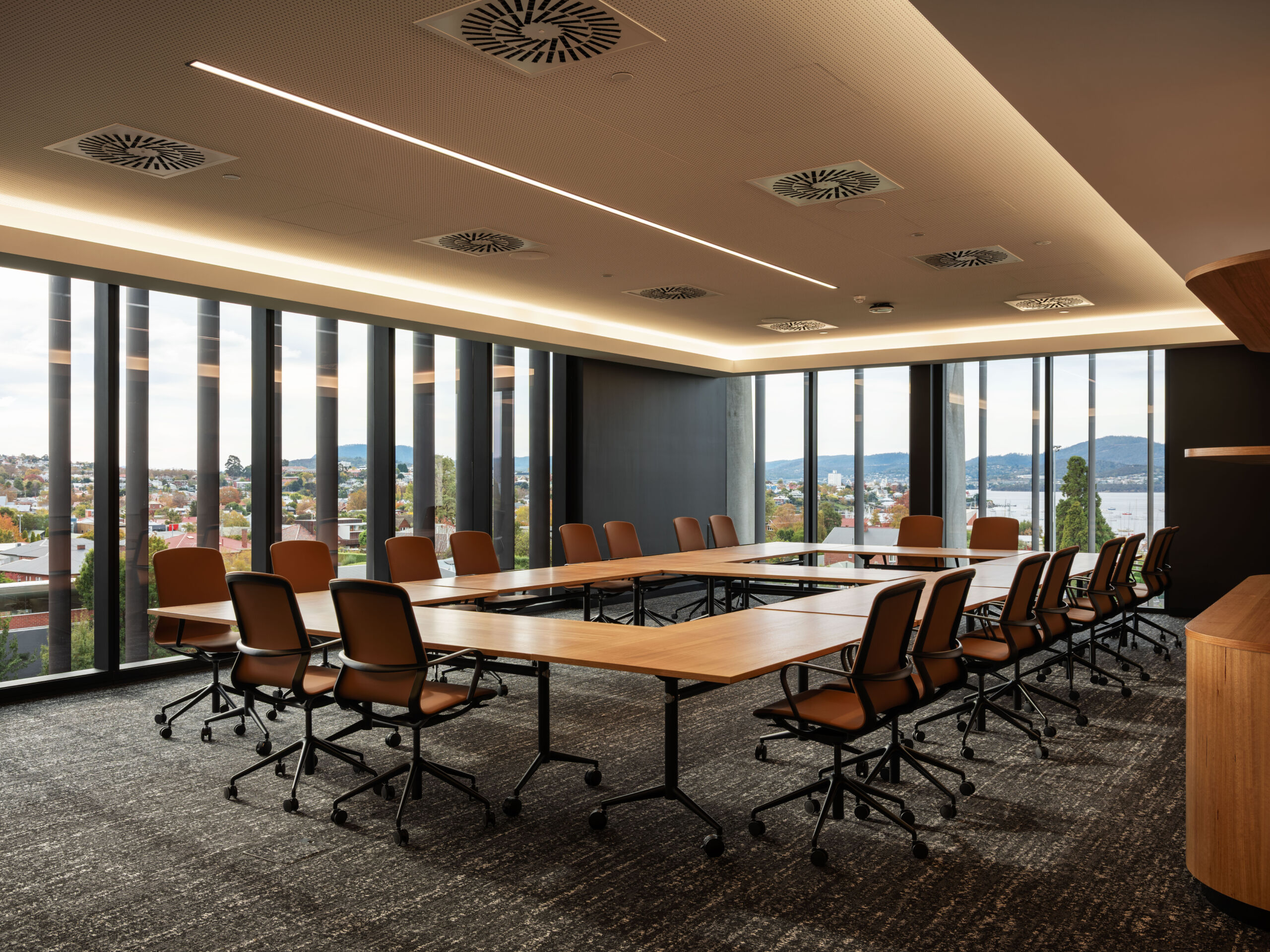
The development also includes a high-performance strength and cardio gymnasium, performing arts and event spaces, flexible teaching environments, community and alumni facilities, and landscaped outdoor learning areas. A 70-metre under-road tunnel provides a safe and fully accessible connection between campus precincts, complemented by an external tiered amphitheatre and Indigenous yarning circle that strengthen opportunities for outdoor learning, cultural connection, and student wellbeing.
Architecturally, the N J Edwards Hub successfully combines multiple facility types into a single landmark building, delivering a future-focused education environment that supports modern teaching practices, elite sport, performing arts, and community engagement.
Heritage and Archaeological Significance
The project presented one of the most significant heritage and archaeological challenges undertaken in Tasmania. During excavation works, human remains from the former Queenborough Cemetery were uncovered, leading to one of Australia’s largest archaeological recovery and exhumation programs. Approximately 2,000 individuals were respectfully recovered and reinterred at Cornelian Bay Cemetery, with the process undertaken in close collaboration with heritage specialists, archaeologists, and community stakeholders.
Balancing complex archaeological investigations with the delivery of a major education facility required meticulous planning, sensitivity, and collaboration. The heritage recovery program has become a defining element of the project’s legacy, demonstrating how modern commercial construction can respectfully preserve and honour cultural and historical significance while delivering contemporary infrastructure.
The N J Edwards Hub showcases PhilpLighton’s expertise in delivering large-scale education construction, sports facility development, community infrastructure, and heritage-sensitive commercial projects across Tasmania.